All News & Insights
From Field to Flour
Flour 101 | 10.24.2024
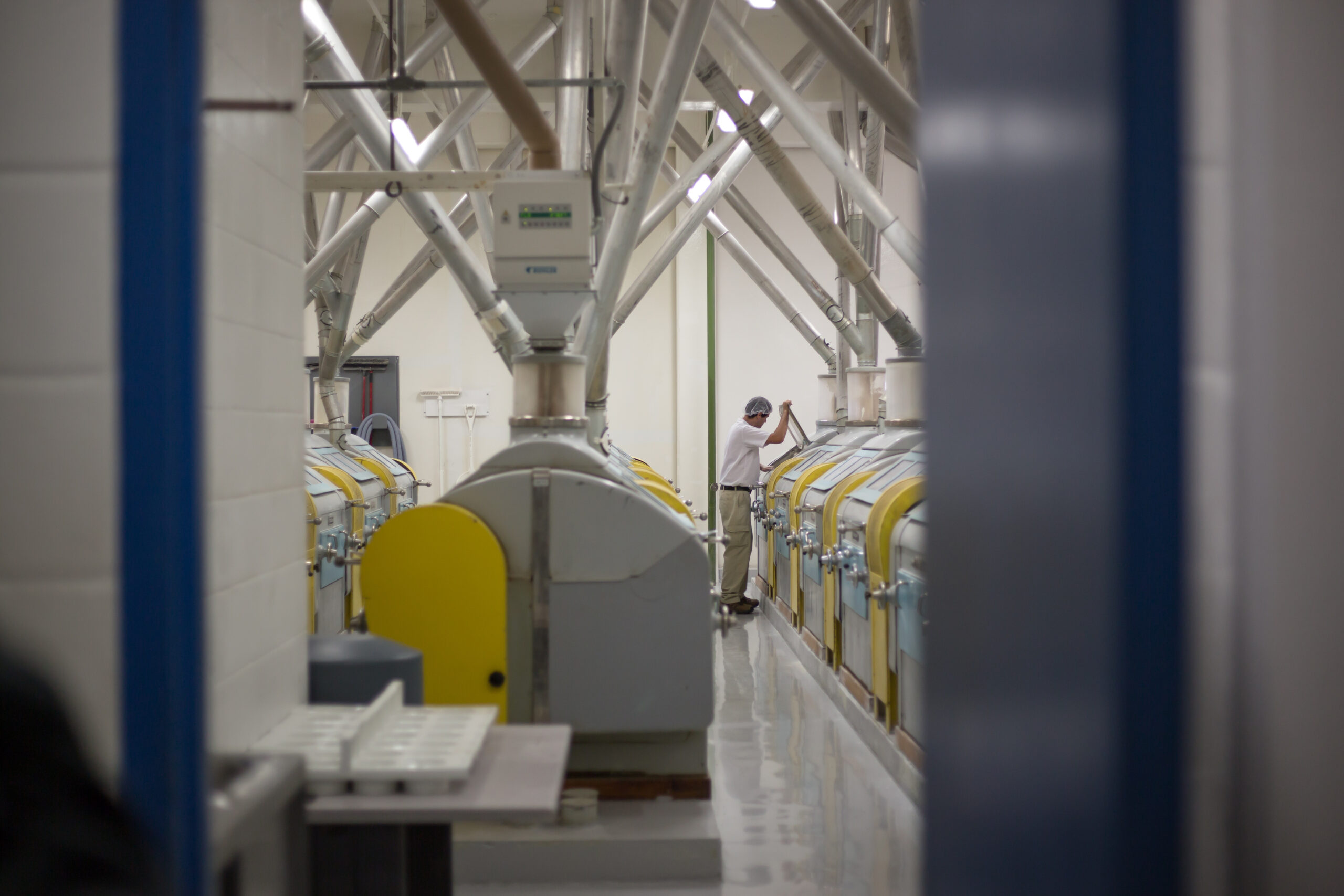
A behing the scenes look at the milling process
Before flour can become bread, pasta, or pastries, it begins as a simple wheat kernel. At Siemer Milling Company, we transform raw grain into high-quality flour through a precise, multi-step milling process—a blend of generations of experience and modern technology. The journey from wheat to flour is more than just grinding grain; it’s a precise science designed to ensure safety, consistency, and functionality in your finished products. Whether you’re developing food products or sourcing ingredients, understanding how flour is made helps you choose the right one—and ensures consistency in your baking and manufacturing outcomes. Here’s a simplified walk-through of what happens between field and final flour bag.
1. Harvest & Grain Intake
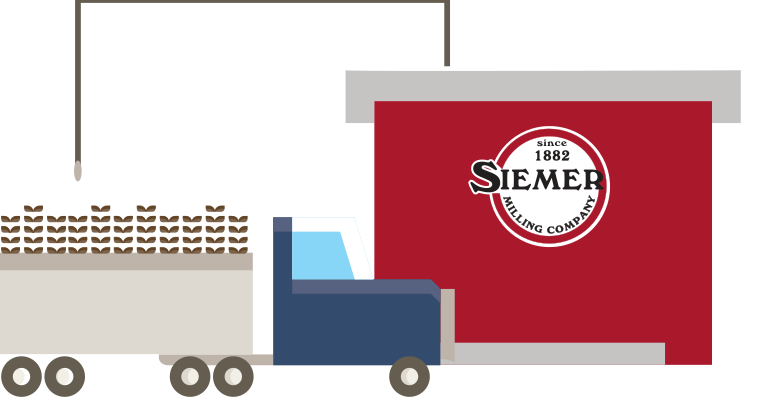
It all starts in the field. Wheat is harvested by farmers, typically in mid-summer, then transported to Siemer Milling’s facilities. Upon arrival, we conduct a series of quality checks—testing for moisture, protein, test weight, and foreign material—before accepting the grain. This ensures only the best wheat moves forward in the process.
2. Cleaning & Conditioning
Before milling, wheat must be thoroughly cleaned. We use screens, air currents, magnets, and gravity separators to remove stones, dust, metal, weed seeds, and other impurities.
Then, the wheat is conditioned—water is added to toughen the outer bran and soften the inner endosperm. This controlled moisture process, also called tempering, typically takes 6–24 hours and is key to efficient grinding.
3. Grinding with Roller Mills
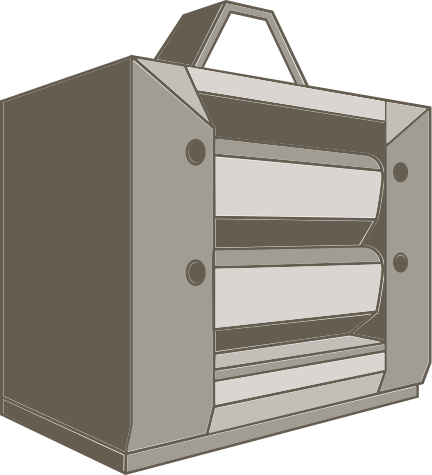
Clean, conditioned wheat is now ready for grinding. Siemer uses high-precision roller mills to crush the wheat kernel between steel rollers. The process happens in stages, gradually reducing the grain to smaller and smaller particles without overheating or damaging the flour. Think of it as peeling away the layers—the goal is to isolate the valuable white center (endosperm) while minimizing bran and germ in the final product.
4. Separating Bran, Germ & Endosperm
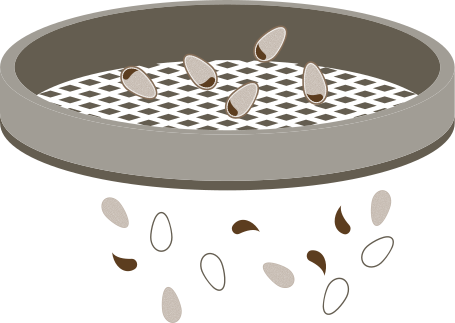
As the wheat is ground, machines called sifters and purifiers sort the particles by size, weight, and composition.
- Bran (the outer layer) is separated and may be sold for fiber-rich products or animal feed.
- Germ (the nutrient-dense embryo) is removed to improve shelf life.
- Endosperm (the starchy white center) becomes the basis for most commercial flours.
5. Producing Flour Streams & Blending
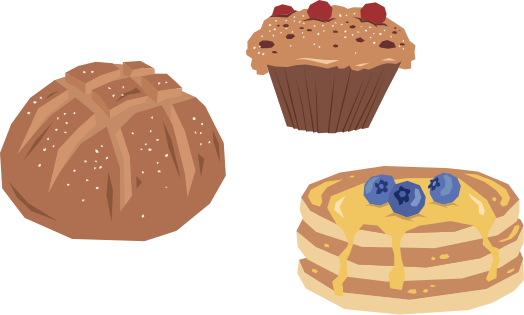
During milling, different parts of the endosperm are extracted in what are called flour streams. These streams have slightly different characteristics—some finer, some coarser, some higher in protein. We blend them in specific ratios to create flours with precise performance traits, such as:
- Bread flour (stonger gluten)
- Cake flour (softer, finer texture)
- All-purpose flour (balanced)
6. Packaging & Delivery
Once the flour meets all quality specifications—including tests for protein content, moisture, ash, and more—it’s packed in bulk containers, totes, or paper bags based on customer needs.
From there, it’s shipped to bakeries, food manufacturers, and distributors across the U.S. and internationally—ready to become part of the products people eat every day.