All News & Insights
Types of Wheat
Flour 101 | 10.24.2024
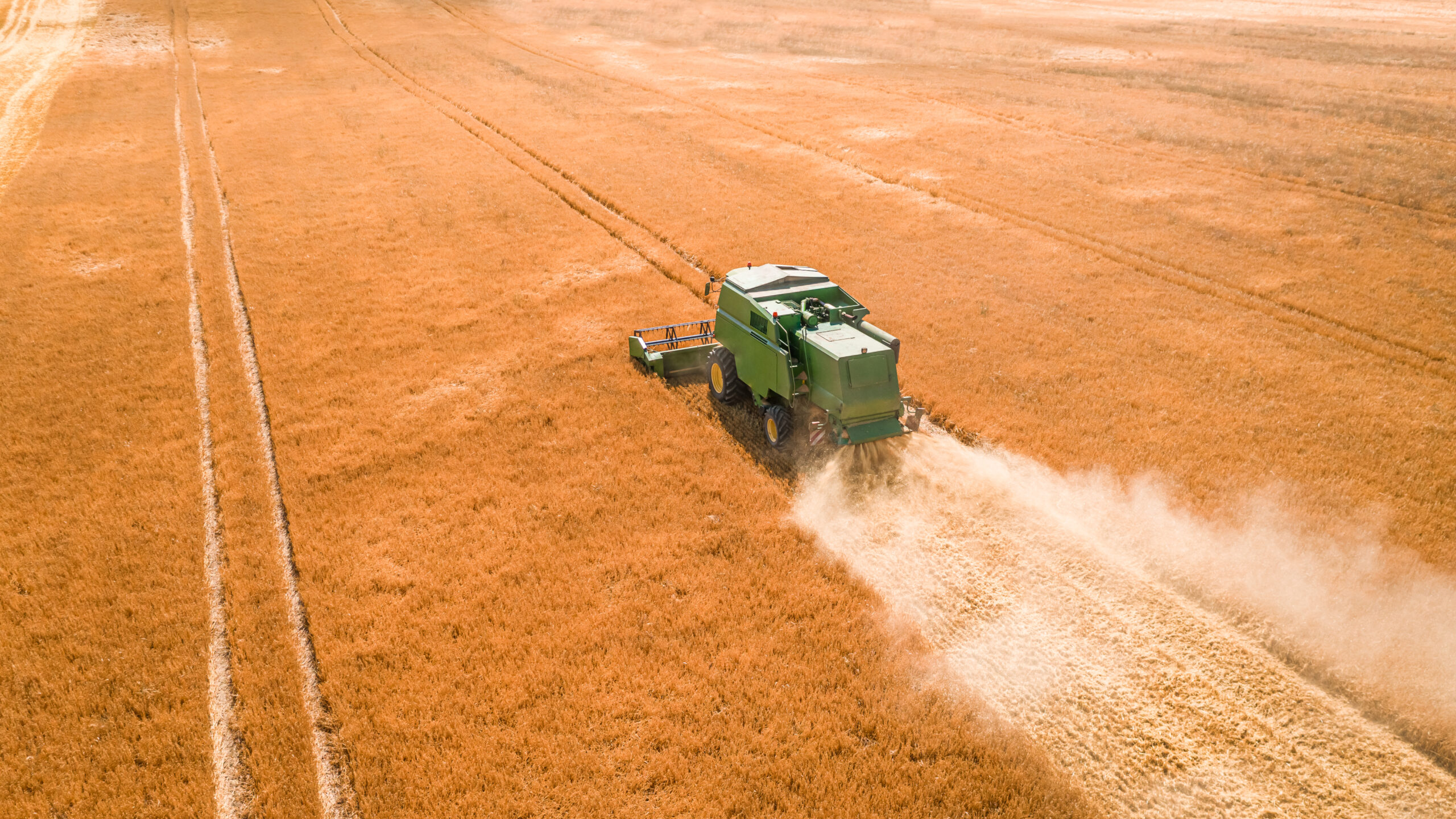
Different wheats = different flours = different foods.
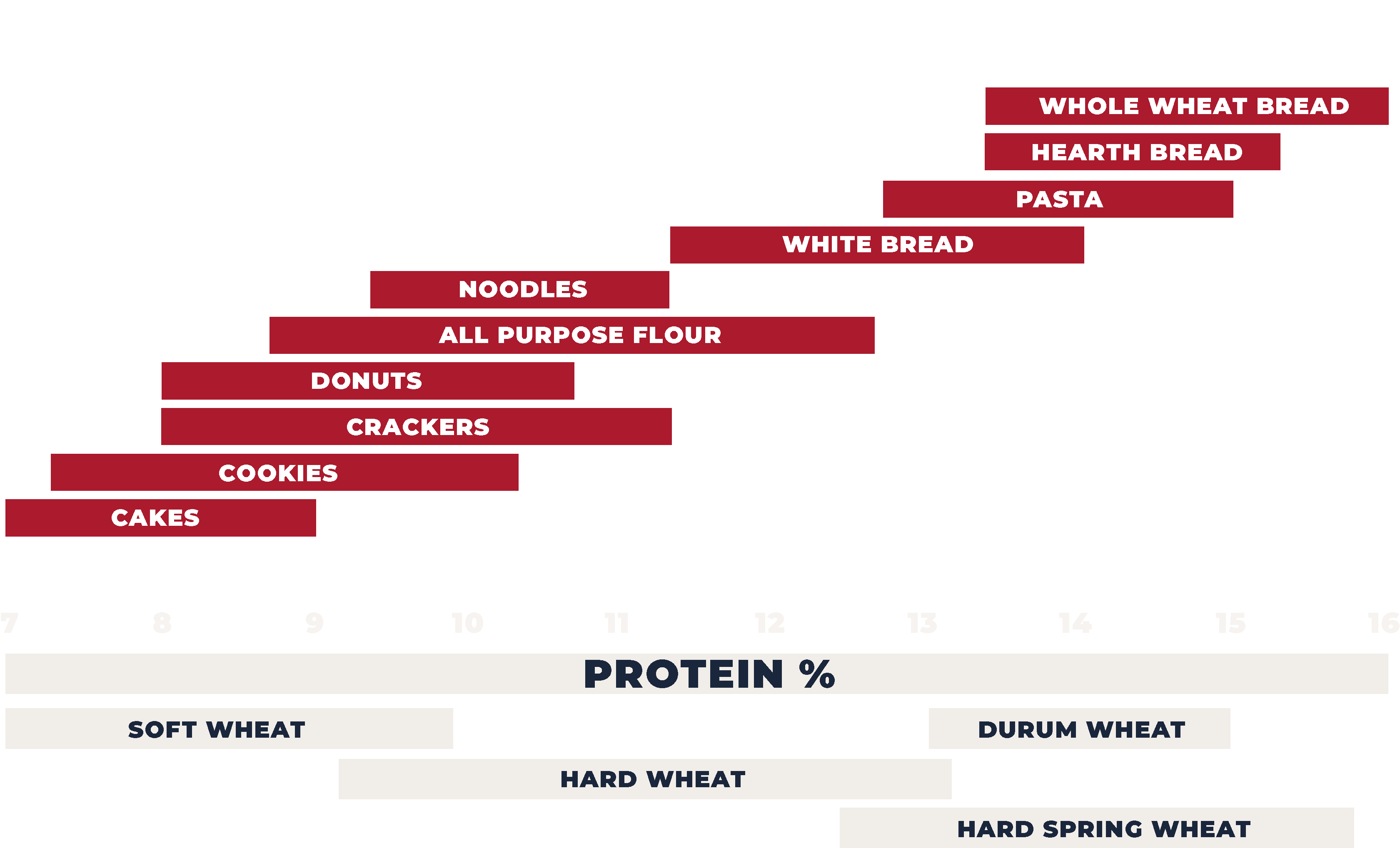
Not all wheat is created equal. In fact, there are several different classes of wheat, and each one is grown in different parts of the U.S. and used to make specific types of food — from fluffy cakes to hearty breads and pasta.

Soft Red Winter (SRW)
Lower protein means a softer texture — perfect for baked goods that should be tender, not chewy.
- Protein: Low
- Texture: Soft, tender
- Market Share: Roughly 15–20% of total U.S. wheat production; a major class for domestic use and export.
- Season: Planted in the fall and harvested in early summer
- Fun Fact: This is the specialty of Siemer Milling Company.
Best for: Cakes, Cookies, Crackers


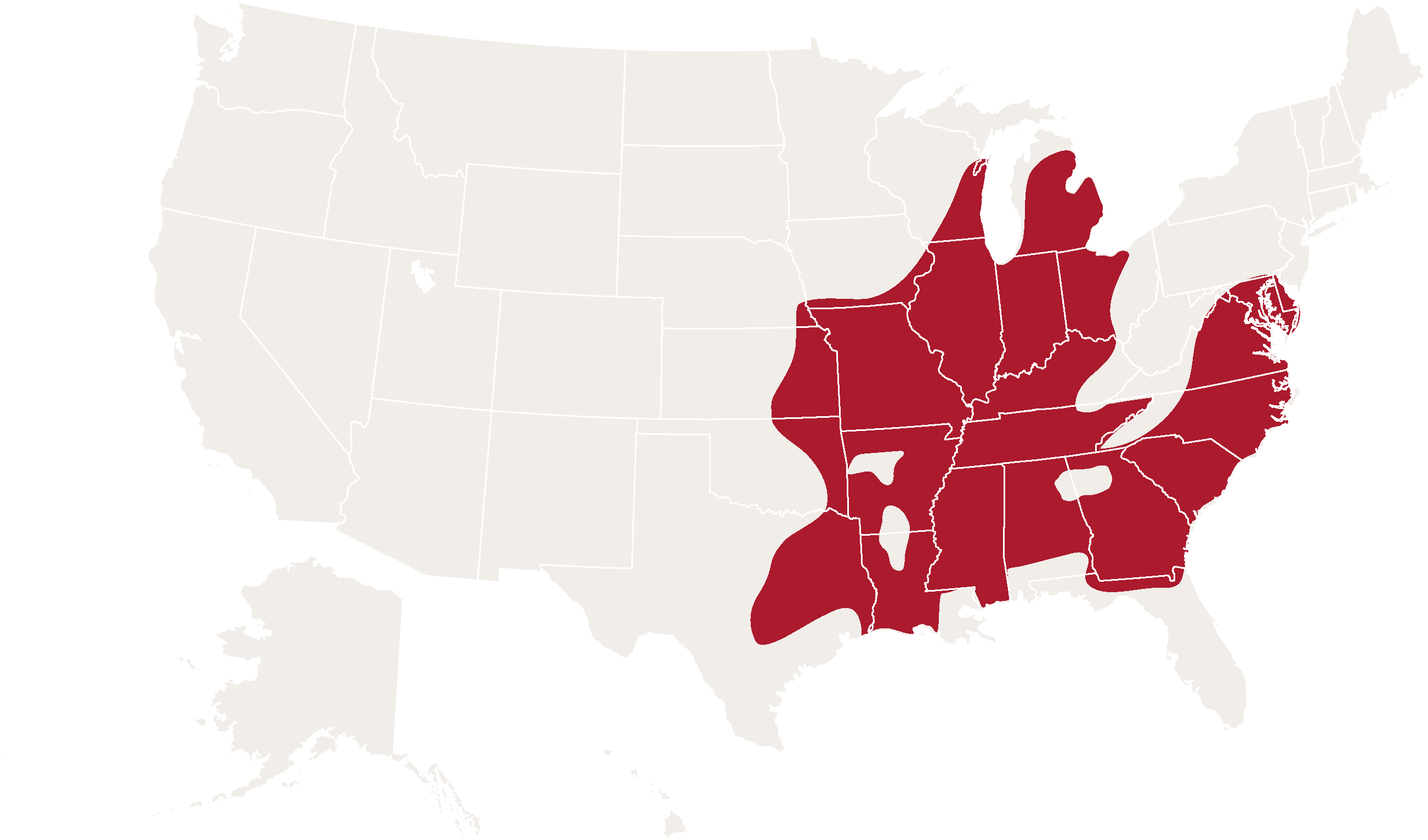
Grown in: Midwest & Eastern U.S.

Hard Red Winter (HRW)
Balanced protein and excellent baking performance — the go-to wheat for everyday breads.
- Protein: Medium; Wide range; good milling and baking performance
- Texture: Balanced and versatile
- Market Share: The most widely grown wheat class in the U.S., accounting for roughly 40% of total production.
- Season: Planted in the fall and harvested in early summer
- Fun Fact: HRW survives winter dormancy — giving it its name.
Best for: Sandwich Bread, Dinner Rolls, All-Purpose Flour


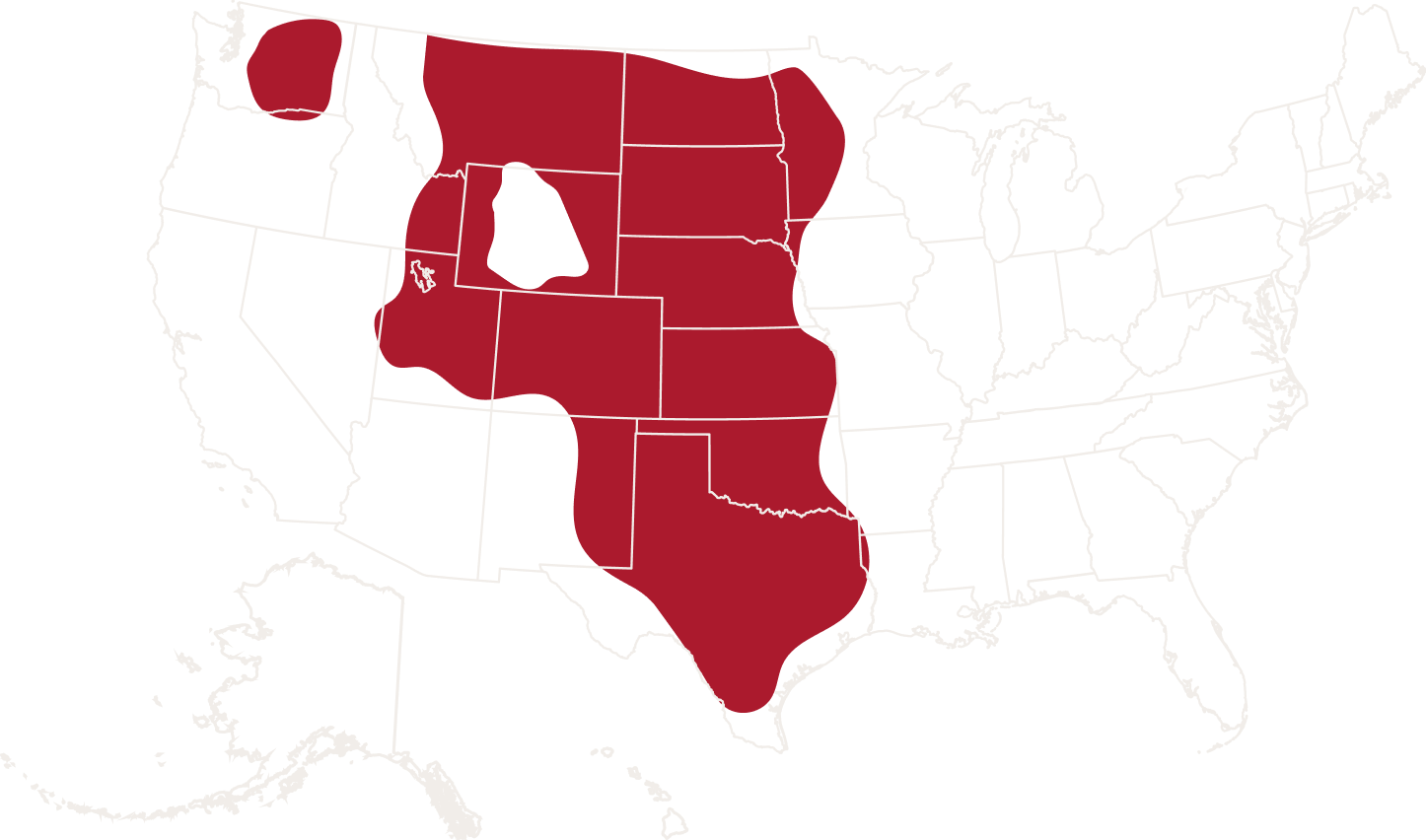
Grown in: The Great Plains

Hard White Wheat
Similar to Hard Red Wheat, but with a lighter color and sweeter flavor. Great for whole grain products without the bitterness.
- Protein: Medium to high
- Texture: Strong and elastic — suitable for whole grain baking
- Market Share: A smaller but growing class, accounting for about 10% or less of U.S. wheat production.
- Fun Fact: The newest class of U.S. wheat — bred for whole wheat lovers seeking milder flavor.
Best for: Yeast Breads, Tortillas, Rolls, Noodles


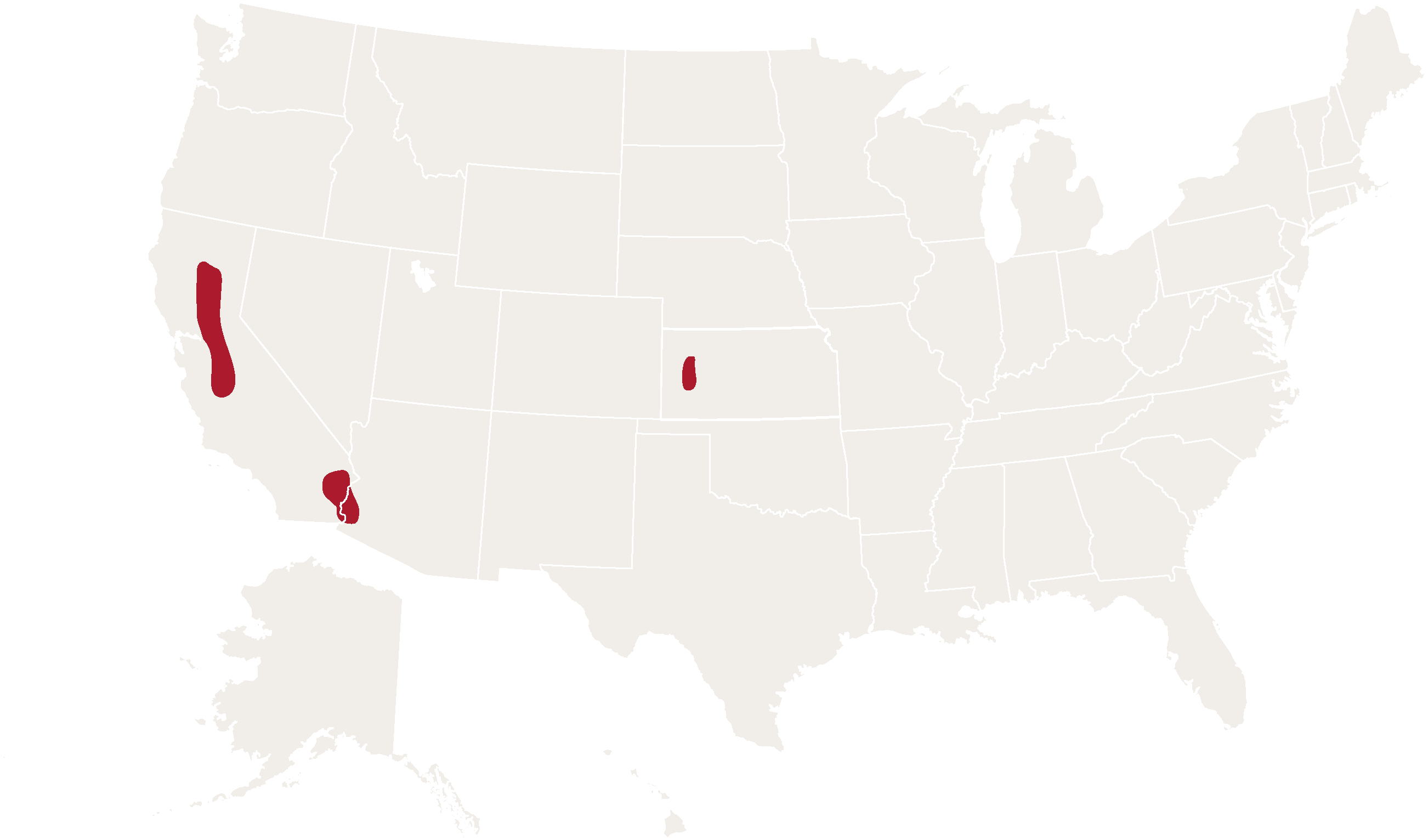
Grown in: Central and Western U.S.

Soft White Wheat
Low-protein, fine-textured wheat — perfect for tender, delicate baked goods.
- Protein: Low
- Texture: Very soft and light
- Market Share: Makes up approximately 8–10% of U.S. wheat production; heavily exported to Asia-Pacific markets.
- Fun Fact: focus and Preferred in many international markets for sponge cakes and instant noodles.
Best for: Pastries, Cakes, Asian Noodles, Snack Foods


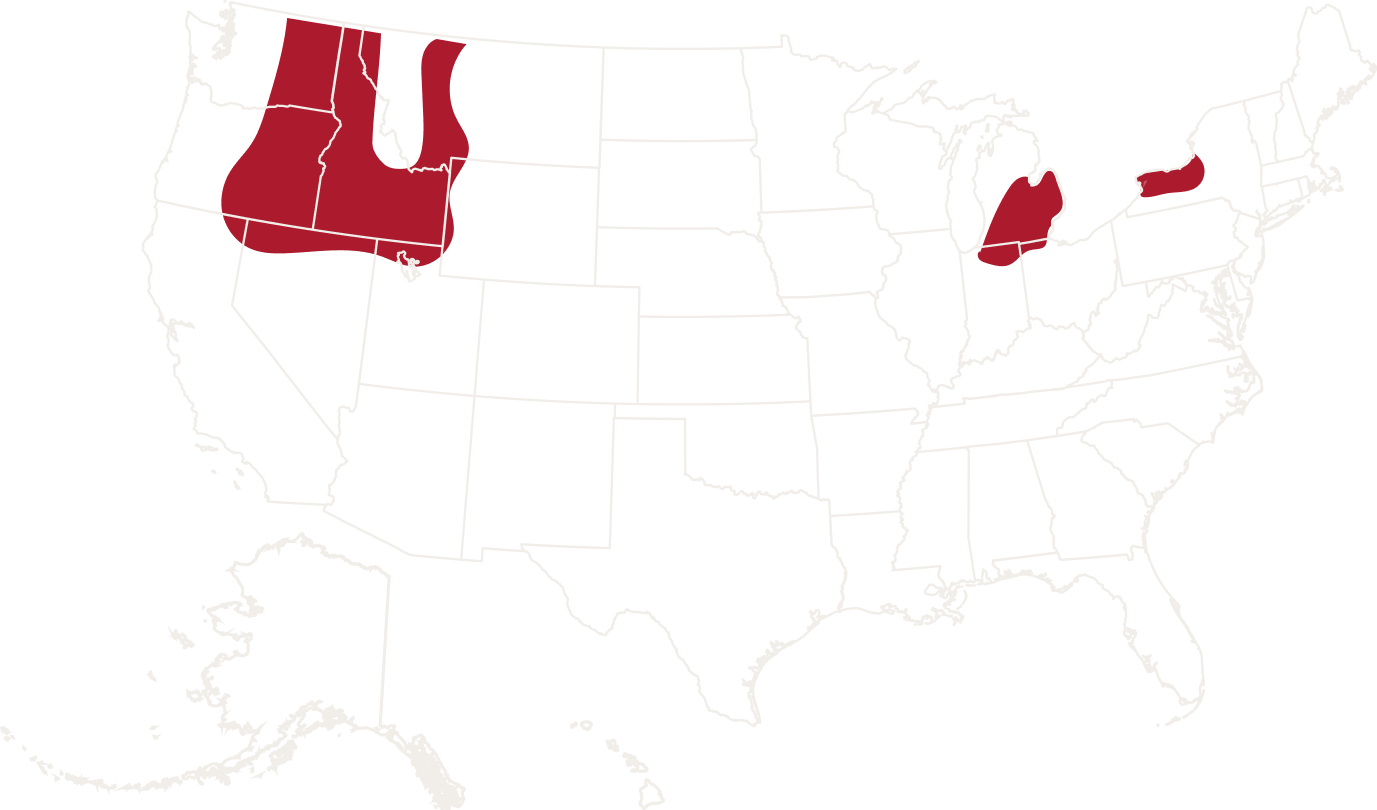
Grown in: Pacific Northwest; also California, Michigan, New York
Hard Red Spring (HRS)
Highest protein content of all wheat classes. Strong gluten structure makes it ideal for crusty, chewy baked goods.
- Protein: Highest
- Texture: Strong, elastic; builds excellent structure
- Market Share: Represents around 25% of U.S. wheat production; prized for high-protein blending in global markets.
- Top Markets: Japan, Central America, Philippines, Russia
- Fun Fact: Often blended with lower-protein wheats to boost baking strength.
Best for: Artisan Breads, Bagels, Pizza Dough


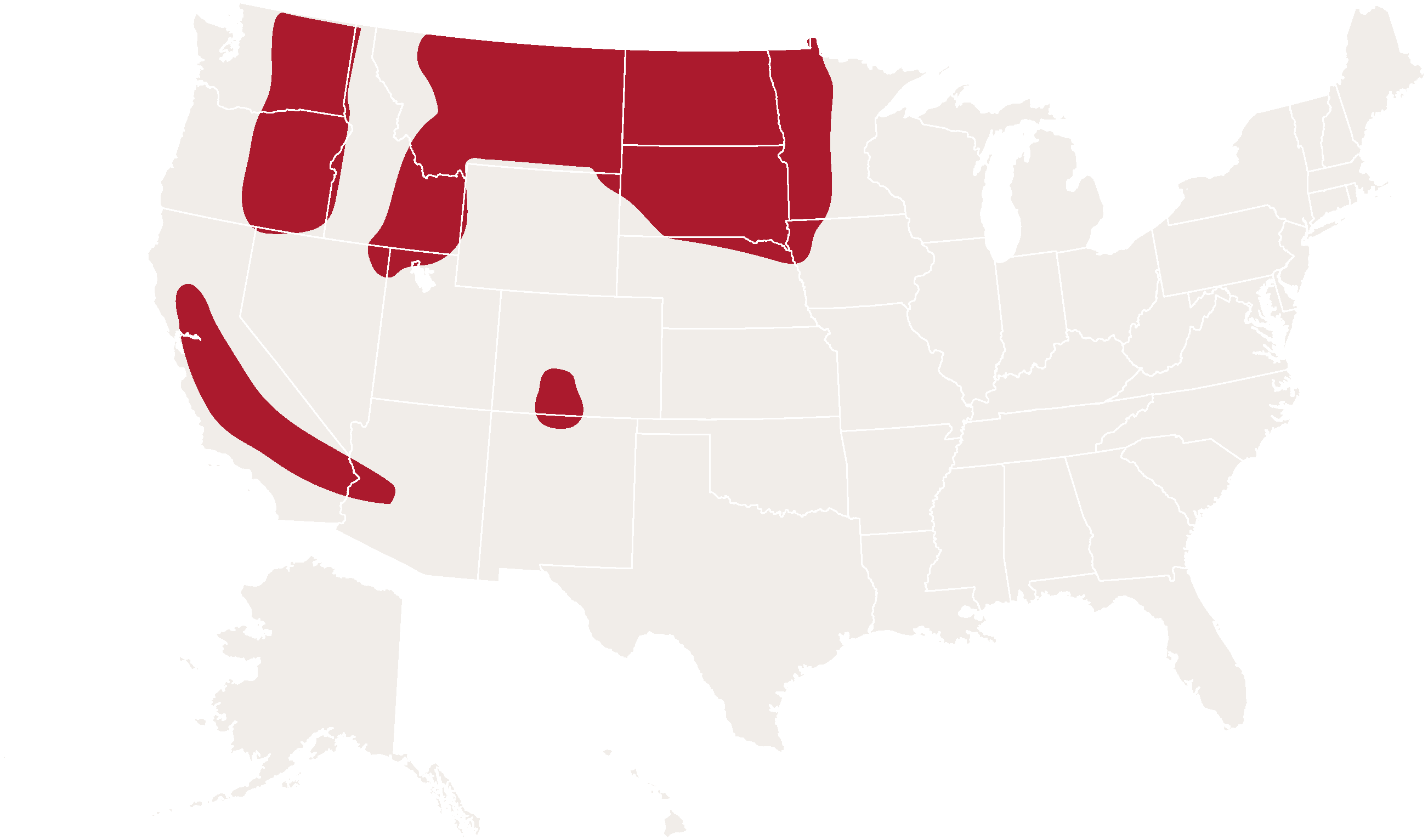
Grown in: Northern U.S. — Montana, North & South Dakota, Minnesota

Durum Wheat
The hardest wheat class. Milled into semolina flour, it’s the gold standard for pasta.
- Protein: Very high (but different gluten properties)
- Texture: Dense, holds shape when cooked
- Market Share: Less than 5% of U.S. wheat exports
- Fun Fact: The word “durum” comes from the Latin word for “hard.” Its dense kernels require special milling techniques to produce semolina — the key ingredient in traditional Italian pasta.
Best for: Pasta
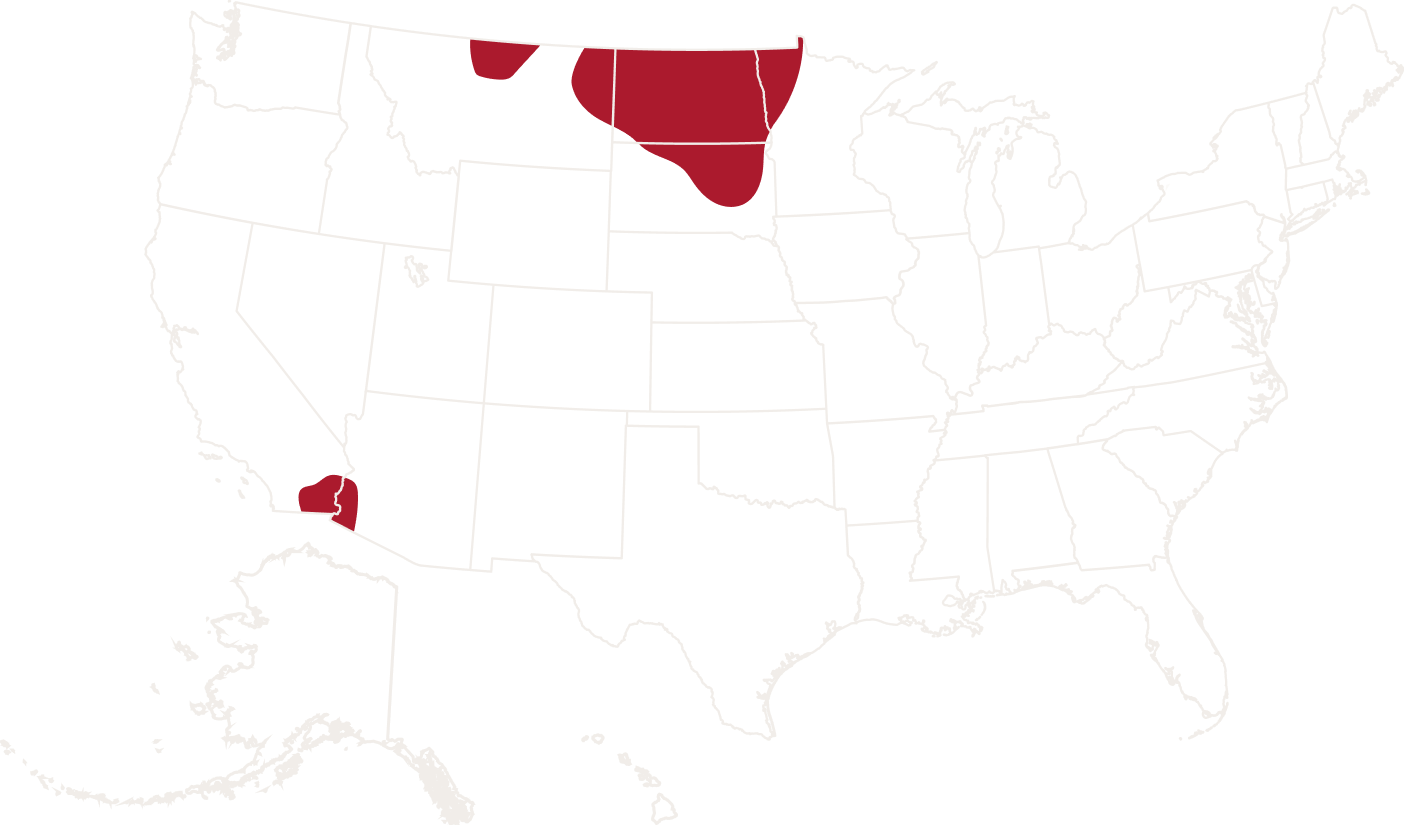
Grown in: North Dakota & Montana