All News & Insights
Flour Types & Applications
Flour 101 | 10.24.2024

Choosing the right flour for the right product
Not all flours are created equal—and in food manufacturing, choosing the right one is critical. From texture to taste to shelf life, the flour you select directly affects the performance and quality of your product. At Siemer Milling Company, we produce a wide range of wheat flours tailored to specific baking and manufacturing needs. Whether you’re crafting cookies, crackers, bread, or developing custom formulations, the right flour makes the difference between a cookie that crumbles and one that delights. From classic staples like all-purpose and bread flour to advanced custom blends, choosing the right flour ensures better results—batch after batch. Whether you’re optimizing a legacy formula or developing something new, Siemer Milling is here to support your flour selection with expertise and consistency.
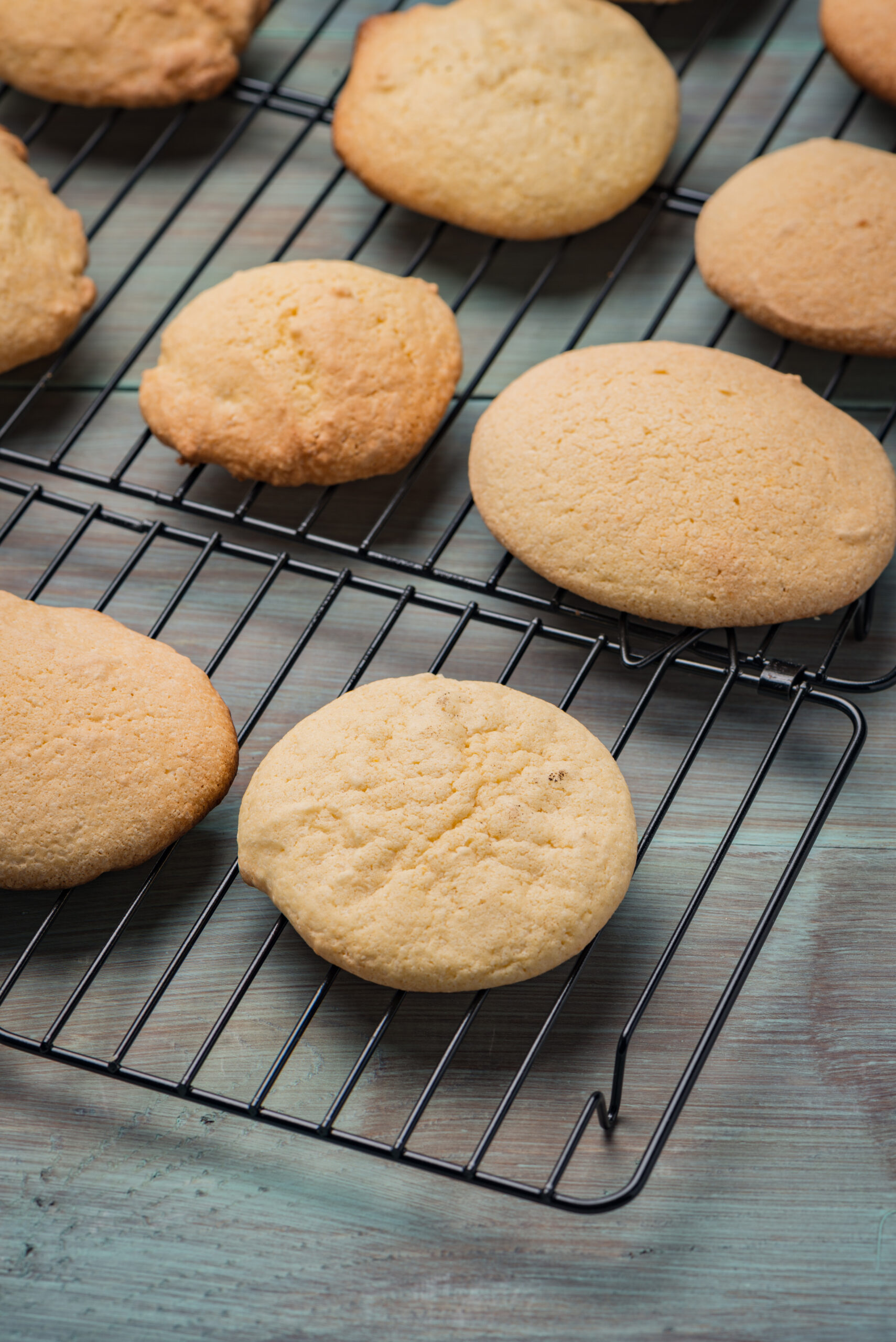

All-Purpose Flour
Versatile. Reliable. A go-to for many applications.
All-purpose flour is milled from a blend of hard and soft wheat, offering moderate protein content (typically around 8–11%). It’s designed for general use in both commercial and home baking.
Common Uses:
- Cookies
- Muffins
- Quick breads
- Pancakes
- Crackers
For manufacturers, all-purpose flour is often used in multi-line production environments where flexibility matters.
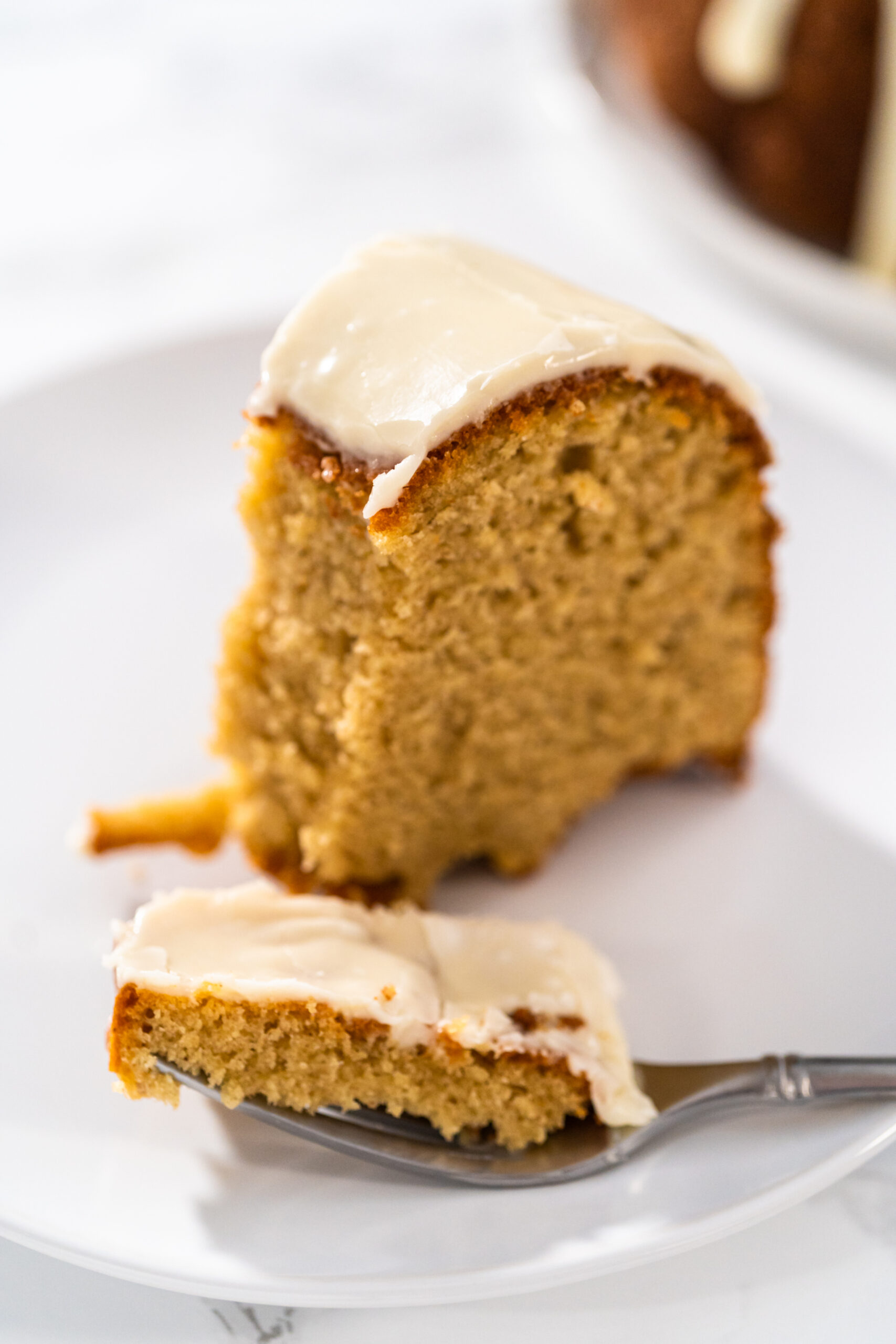

Cake Flour
Soft, fine, and designed for tenderness.
Cake flour is made from soft wheat and has a low protein content (6.5-8%), which creates less gluten development. This results in a soft, delicate crumb and smooth texture in baked goods.
Common Uses:
- Cakes (especially layer cakes)
- Cupcakes
- Pastries
- Biscuits
- Some snack cakes
Its ability to hold sugar and fat makes it ideal for high-ratio baking formulas.
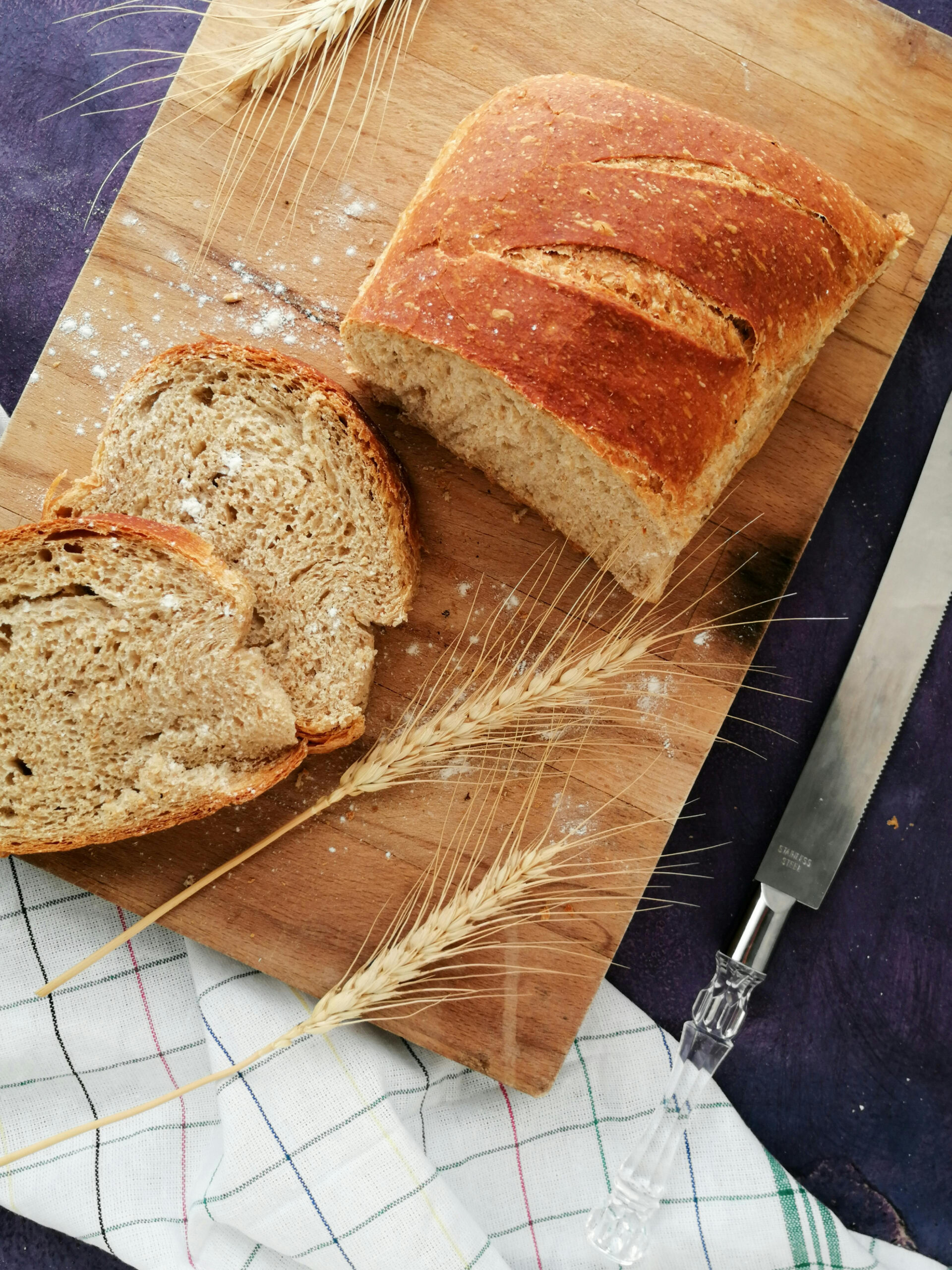

Bread Flour
Strong structure for high-rise doughs.
Bread flour is milled from hard wheat varieties and has high protein content (typically 10–12%), which contributes to strong gluten development. This strength helps bread rise and hold its shape during baking.
Common Uses:
- Yeast breads
- Pizza crusts
- Bagels
- Artisan loaves
- Pretzels
Bread flour is essential when dough needs to stretch and rise without collapsing.

Whole Wheat Flour
Wholesome and nutrient-rich, with a hearty texture.
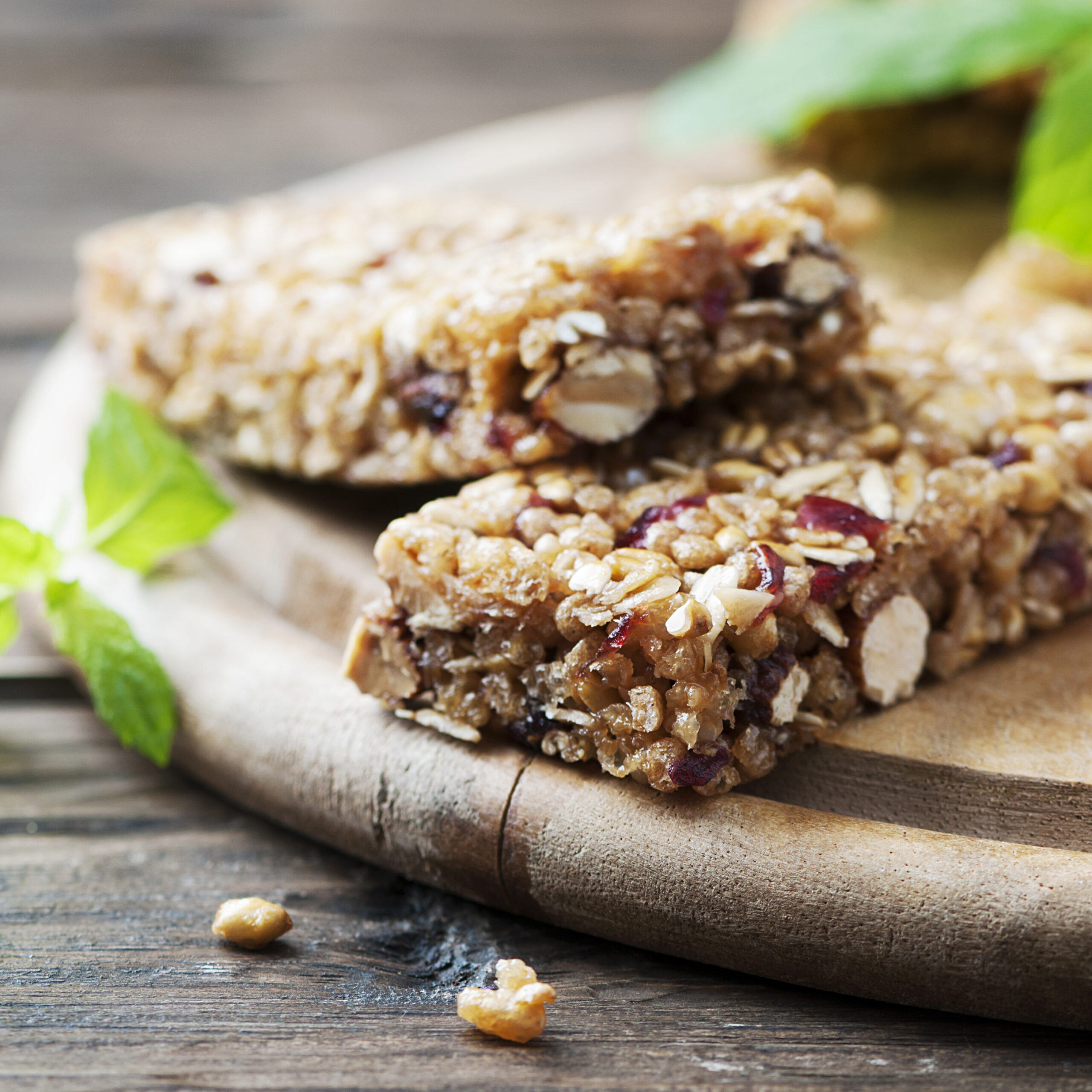
Whole wheat flour includes all parts of the wheat kernel—bran, germ, and endosperm and has moderate protein content (typically 8-11%). It’s higher in fiber and nutrients than refined flours, but also has a denser texture and shorter shelf life due to the presence of oils from the germ.
Common Uses:
- Whole grain breads
- Granola bars
- Crackers
- Muffins
- Health-focused snacks
Manufacturers often blend whole wheat with other flours to balance nutrition and texture.


Specialty Blends & Custom Formulations
Tailored solutions for unique product performance.
Siemer Milling offers a range of enriched flours, pregelatinized wheat flours, and custom blends engineered to meet specific functional needs—such as absorption, color, shelf life, or clean label requirements.
Examples Include:
- Enriched flour for nutrient targets
- Low-ash flour for light color in cakes
- High-gluten flour for chewy crusts
- Custom cracker flour for crispness and snap
- Thermal-processed flour for ready-to-eat (RTE) applications
Our team works closely with manufacturers to match flour specs to processing methods and product goals.
How Do Manufacturers Choose the Right Flour?
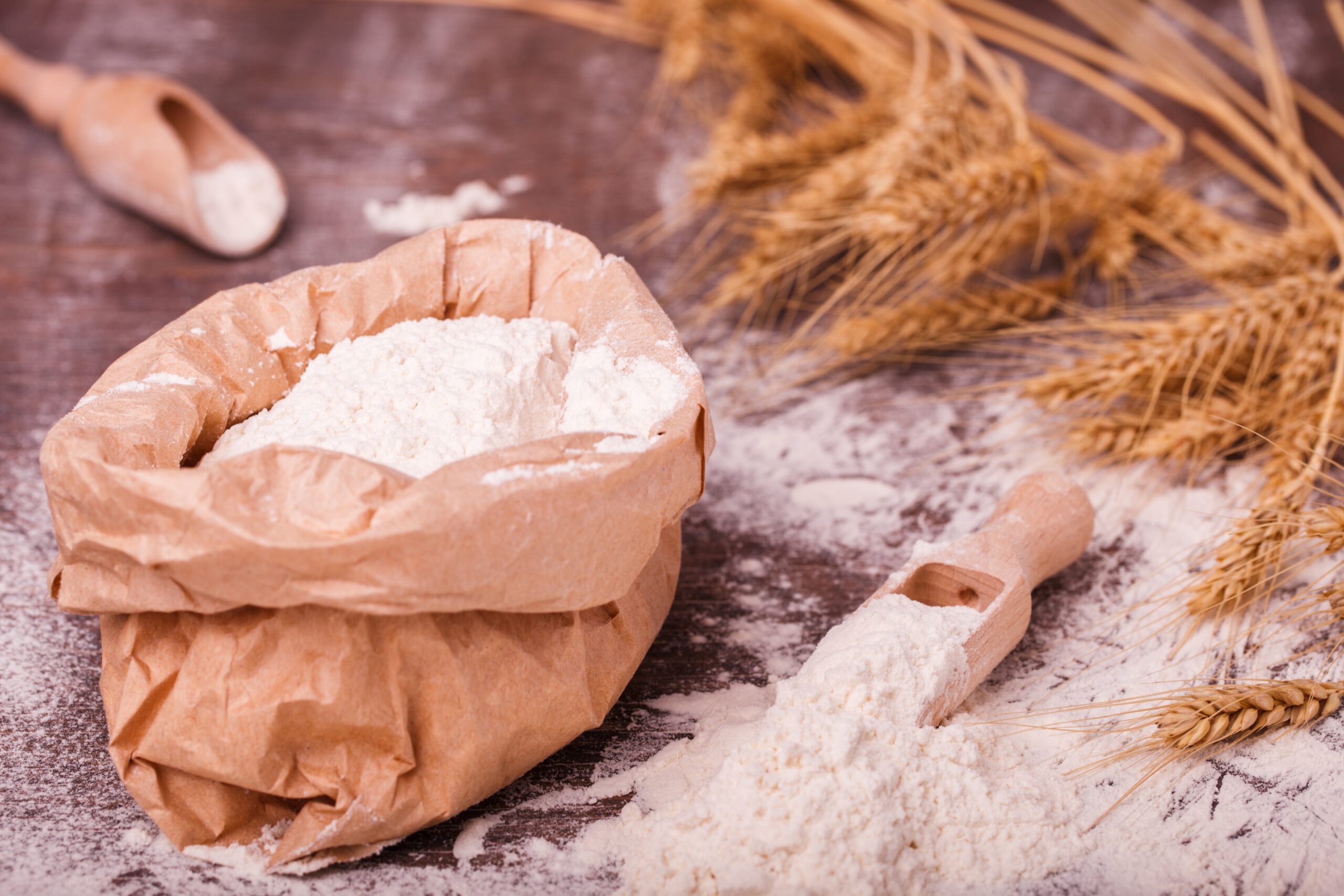
Food manufacturers select flours based on several criteria:
- End product texture (soft vs. chewy)
- Processing method (baked, fried, extruded, frozen)
- Nutritional requirements (fiber, enrichment)
- Labeling needs (organic, non-GMO, clean label)
- Shelf life & storage (moisture and fat content)
At Siemer, we help partners align flour characteristics with formulation, so the final product meets expectations for quality, consistency, and performance.
Flour Types at a Glance: Choose the Right Flour for Your Product